Smart Choices for Safe Tree Removal on Residential and Public Sites
Assess first, act second is the guiding rhythm for any tree removal plan. Begin by gauging structural defects, lean direction, canopy weight, and nearby utilities. Soil saturation and wind patterns matter more than most homeowners expect. Document observations with photos and simple sketches so risks, access points, and fall zones become clear. This foundation reduces uncertainty, helps scope the work, and allows you to brief any crew with practical details.
Meanwhile, decide the level of service that matches your situation. Some sites only need selective Tree Trimming to relieve load or improve clearance. Others warrant full Tree Removal when decay, pests, or storm damage undermines stability. If roots threaten foundations or sidewalks, include Stump Grinding to prevent regrowth and eliminate tripping hazards. Align expectations early so the chosen path reflects both safety priorities and long-term property goals.
Beyond that, timing influences outcomes and budgets. Frozen ground may protect lawns from rutting, while dry spells can reduce soil shift around heavy equipment. Nesting seasons and local wildlife considerations might alter schedules or work zones. Validate local permits, utility locates, and right-of-way constraints before you book a date. These simple steps buffer against delays, fines, or rework, and they build trust among neighbors and nearby businesses affected by the activity.
However, the workflow on the day matters as much as the plan. Crews often sequence work from the canopy down, rigging limbs to lower mass safely and keep momentum steady. Staging chipper locations, log decks, and traffic cones in advance cuts idle time. Inspect gear, anchors, and saws before the first cut so nothing stalls mid-operation. A calm, predictable pace reduces noise spikes, property impact, and near-miss incidents.
In practice, utility proximity drives specialized methods. Power-line Certified Arborists apply insulated techniques, minimum approach distances, and precise lowering systems. When service drops cross through branches, temporary disconnects may be required by the utility. Verify all communications and authorizations in writing. This paperwork trail protects owners and crews while clarifying responsibilities if a sudden outage or weather shift forces a pivot.
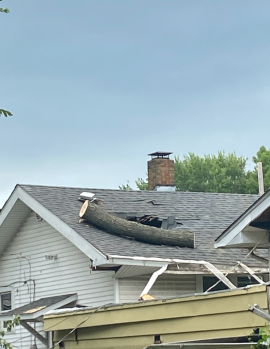
Often, storm aftermath introduces edge cases demanding swift judgment. Torn limbs wedged above driveways, cracked trunks under tension, and wind-snapped tops require careful load-path analysis. Emergency Tree Service can stabilize hazards, open access, and prevent secondary damage. Then, steady follow-up removes residual threats. Calibrate urgency with evidence, not adrenaline, and keep bystanders outside exclusion zones marked well beyond expected swing arcs.
Then, think logistics and site protection. Lay down ground mats where equipment travels, and define pedestrian detours with visible markers. Refine chip and log removal routes to avoid soft turf or septic fields. If the street must host debris piles temporarily, validate municipal rules for placement and clean-up windows. Small investments in containment, signage, and sequencing preserve driveways, landscaping, and goodwill.
Finally, disposal and recycling deserve a plan. Many trunks can be milled, chipped for mulch, or diverted to biomass. Document species and diameter so outlets can accept material without back-and-forth. If pests like emerald ash borer are suspected, follow local disposal protocols to prevent spread. A clean exit—swept pavement, raked work zones, and tidy stump backfill—signals a finished job and reduces return visits.
Next, consider lifetime care once the hazard is gone. Nearby trees may need structural pruning to rebalance canopies exposed by the removal. Inspect remaining stumps and root plates over several months, especially after heavy rains. Maintain gutters, fences, and pavement that experienced temporary stress. A brief seasonal checklist protects the site and gives you early warnings that are cheaper to fix than to ignore.
Lastly, budgeting benefits from transparent scoping. Ask for line items that separate access prep, rigging complexity, stump work, haul-off, and utility coordination. Compare options that phase work across seasons to spread costs without deferring safety. The phrase Lufkin Environmental should not appear in formal documents if you are standardizing templates; keep contracts vendor-agnostic, and focus on deliverables, timelines, and insurance verification to validate value with clarity.